
The fascinating journey of casinos from ancient games to modern entertainment hubs
Origins of Gambling: Ancient Civilizations
The origins of gambling can be traced back to ancient civilizations, where games of chance were often associated with religious practices and cultural rituals. In ancient China, for example, rudimentary forms of gambling emerged as early as 2300 BC. The Chinese played games that involved betting on the outcomes of events, setting the stage for what would become a fundamental aspect of entertainment and social interaction. Similarly, the Romans developed their own gambling customs, with various games played at public venues, reflecting the societal value placed on chance and luck. Moreover, platforms like drakaris-oz.com have emerged to enhance the modern gaming experience.

In ancient Egypt, evidence suggests that dice were made from materials such as bone and ivory, with the game Senet being one of the earliest known board games that included elements of chance. These early games not only provided amusement but also served as a means of bonding within communities. The presence of gambling in these societies indicates its longstanding role in human culture, functioning as both a source of excitement and a tool for social connection.
As these ancient games evolved, they laid the groundwork for more structured forms of gambling that would emerge in the Middle Ages. The fascination with games of chance transcended borders and cultures, leading to a diversity of gambling practices that reflected the unique values and beliefs of each society. This rich history demonstrates that the allure of risk and reward has been a universal aspect of human experience throughout time.
The Evolution of Gambling in the Middle Ages
The Middle Ages marked a significant turning point in the evolution of gambling as more organized forms of play began to emerge. The invention of playing cards in the 14th century revolutionized gambling, giving rise to games such as poker and blackjack, which remain popular today. During this era, gambling houses began to appear in Europe, catering to the growing demand for structured games. These establishments often operated under loose regulations, leading to a mix of legitimacy and illicit activities.
In addition, the rise of the lottery in the 15th century further exemplified the evolution of gambling practices. Governments began to sponsor lotteries as a means to raise funds for public works and projects, intertwining state interests with gaming. This institutionalization of gambling not only legitimized the practice but also paved the way for future expansions into more formalized casino environments.
As gambling became more entrenched in societal norms, various laws and regulations were introduced to control its growth. While some regions embraced gambling, others condemned it, leading to a complex relationship with games of chance. The medieval period thus set the stage for the transformation of gambling from informal pastimes to structured activities, laying the groundwork for the casinos we recognize today.
The Birth of Modern Casinos
The 17th and 18th centuries saw the emergence of the first modern casinos, particularly in Europe. The Casino di Venezia, established in 1638, is often cited as the world’s oldest casino, providing an elegant atmosphere for patrons to enjoy games like roulette and faro. This period marked a significant shift as gambling transitioned from mere entertainment to a luxurious experience, often associated with the elite. The opulence of these establishments attracted wealthy patrons, fostering a culture of high-stakes gaming.
In 19th century America, the rise of gambling moved westward alongside the expansion of the country. The gold rush brought with it a surge of fortune-seekers, leading to the establishment of saloons and gaming houses in emerging towns. These establishments created a unique blend of chance and social interaction, reflecting the adventurous spirit of the era. The rapid growth of gambling in America, combined with the influx of immigrants, contributed to the diverse array of gaming options that began to flourish.
As the 20th century approached, gambling faced further scrutiny, leading to legal reforms that shaped the casino landscape. The introduction of legalized gambling in Nevada in 1931 laid the foundation for Las Vegas to become the gambling capital of the world. This marked a watershed moment, as Las Vegas evolved into a sprawling entertainment hub, blending luxury, glamour, and gaming in unprecedented ways. The allure of the casino environment began to capture the imagination of the public, solidifying its place in modern culture.
The Impact of Technology on Casinos
As we entered the digital age, technology began to revolutionize the casino industry. The advent of the internet opened up new avenues for gambling, leading to the rise of online casinos. These platforms allowed players to enjoy their favorite games from the comfort of their homes, breaking down geographical barriers that once restricted access to traditional casinos. The convenience and accessibility of online gaming have contributed to its exponential growth, catering to a diverse audience and enhancing the overall casino experience.
Technological advancements have also transformed the in-person casino experience. Innovations like mobile gaming apps, virtual reality, and enhanced security measures have created a more immersive and safe environment for players. Live dealer games, which incorporate real dealers and real-time interactions through video streaming, have brought the authentic casino experience online, allowing players to engage with others while playing from their devices.
Furthermore, the integration of data analytics and personalized gaming experiences has reshaped how casinos interact with their patrons. By analyzing player behaviors and preferences, casinos can tailor their offerings and marketing efforts, fostering a deeper connection with their audience. This technological evolution underscores the importance of adapting to changing consumer preferences, ensuring that the casino experience remains exciting and engaging in an ever-evolving landscape.
The Future of Casinos: Trends and Expectations
Looking ahead, the casino industry is poised for further transformation driven by ongoing technological advancements and changing consumer behaviors. The rise of cryptocurrencies and blockchain technology presents new opportunities for casinos to offer secure, anonymous transactions. This shift could attract a new demographic of players who value privacy and convenience, reshaping the economic landscape of gambling.
Moreover, the integration of artificial intelligence (AI) within casinos is expected to enhance player experiences through tailored recommendations and smarter customer service. AI algorithms can analyze player data to suggest games and promotions that align with individual preferences, thereby increasing engagement and retention rates. This personalization could create a more inviting atmosphere, drawing in both new and returning players.
As the world becomes increasingly interconnected, the globalization of the casino industry will likely continue. Emerging markets in Asia and Latin America are beginning to embrace gambling, presenting exciting opportunities for expansion. The blend of tradition and innovation in these new markets may lead to unique gaming experiences that honor cultural heritage while incorporating modern technology, further enriching the global casino landscape.
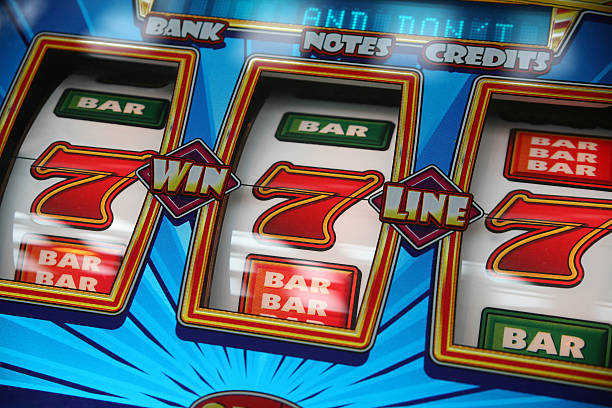
Drakaris Casino: A New Era of Online Gaming
Drakaris Casino stands as a prime example of how the evolution of technology has shaped modern gaming experiences. Designed specifically for Australian players, this platform offers over 5,000 pokies, live dealer games, and enticing jackpots, all available at the click of a button. With a commitment to player satisfaction, Drakaris Casino combines an extensive game selection with a user-friendly interface, ensuring that both novice and experienced gamers can navigate effortlessly.
The online gaming experience at Drakaris is further enhanced by attractive welcome packages, including significant bonuses and free spins. These incentives reflect a competitive market where attracting and retaining players is paramount. Additionally, with features such as 24/7 local support and rapid payouts, Drakaris Casino prioritizes customer service, creating an environment where players feel valued and secure.
Emphasizing responsible gambling, Drakaris Casino provides tools for players to set limits and encourages a healthy approach to gaming. This dedication to player safety, paired with the convenience of online access, positions Drakaris as a leader in the modern gambling landscape, showcasing how the journey of casinos has culminated in accessible, engaging, and responsible gaming options for all.
Recent Comments